
There is a version of the protective character that I think gets written more than it should — the one who throws himself in front of danger, who takes the hit, who stands between the person he loves and whatever catastrophic thing is bearing down on them. Dramatic. Cinematic. Occasionally genuinely moving.
But that is not, I would argue, why protective characters actually work.
That is not why we fall for them.
We fall for them because of the other thing. The small thing. The thing that costs nothing except attention and communicates everything.
The walking on the gutter side of the footpath.
If you know, you know — and if you’ve ever walked beside someone who quietly repositioned themselves so they were between you and the traffic without making anything of it, without announcing it or expecting acknowledgement, you know exactly what I mean when I say that small gesture lands harder than any dramatic sacrifice. It is not about the cars. It has never been about the cars. It is about the fact that someone is thinking about you, specifically, in the small and constant way that love actually looks like in real life.
Hold that thought. That is the whole thesis.
The umbrella tilted toward you in the rain while they get rained on. The hand that appears at the small of your back in a crowd, not possessively, just — I know where you are, I have you. The coffee that appears on your desk because they noticed you hadn’t eaten. The door they get to first. The coat they put around your shoulders before you’ve realised you’re cold.
None of these things require heroism. All of them require the same thing, which is paying attention. Which is caring enough about one specific person to notice what they need before they name it, and then quietly providing it without requiring a medal for the effort.
That is what Deacon Worth does. Not perfectly — he is a Worth, which means he is also occasionally overprotective in the ways that require a conversation, and Kon has opinions about this and is not shy about sharing them. But underneath all of that, underneath the big gestures and the hard moments, Deke is a man who notices. Who repositions himself between Kon and the cold wind without thinking about it. Who tracks where Kon is in a room not out of possession but out of the same instinct that makes you keep half an eye on the person you love in a crowd, just to know they’re there and fine and not needing you for anything but available to need you if they do.
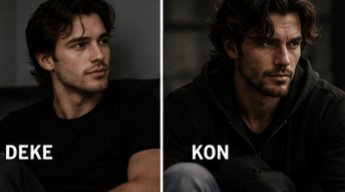
That is the protective character that works. Not the one with the heroic sacrifice — or not only that one, not only in the dramatic moment. The one who has quietly decided that your comfort and safety and ease are worth their ongoing attention. The one for whom protection is not an event but a habit, built so deeply into how they love that they don’t even notice they’re doing it half the time.
We notice, though.
Readers notice. Because most of us have been cold in a crowd and wished someone would put a coat around our shoulders. Most of us have walked on the traffic side ourselves and wondered what it would feel like if someone just, without comment, moved us gently to the inside.
It is such a small thing.
It is the whole thing.
— Bella 🏒